4 Legacy Construction LLC · September 24, 2026 · 3 min read
Most people think about construction as a series of tasks. Construction teams think about it as a chain of dependencies. The difference between those two views is sequence — and it is decided long before the first truck arrives.
Sequence is a form of planning
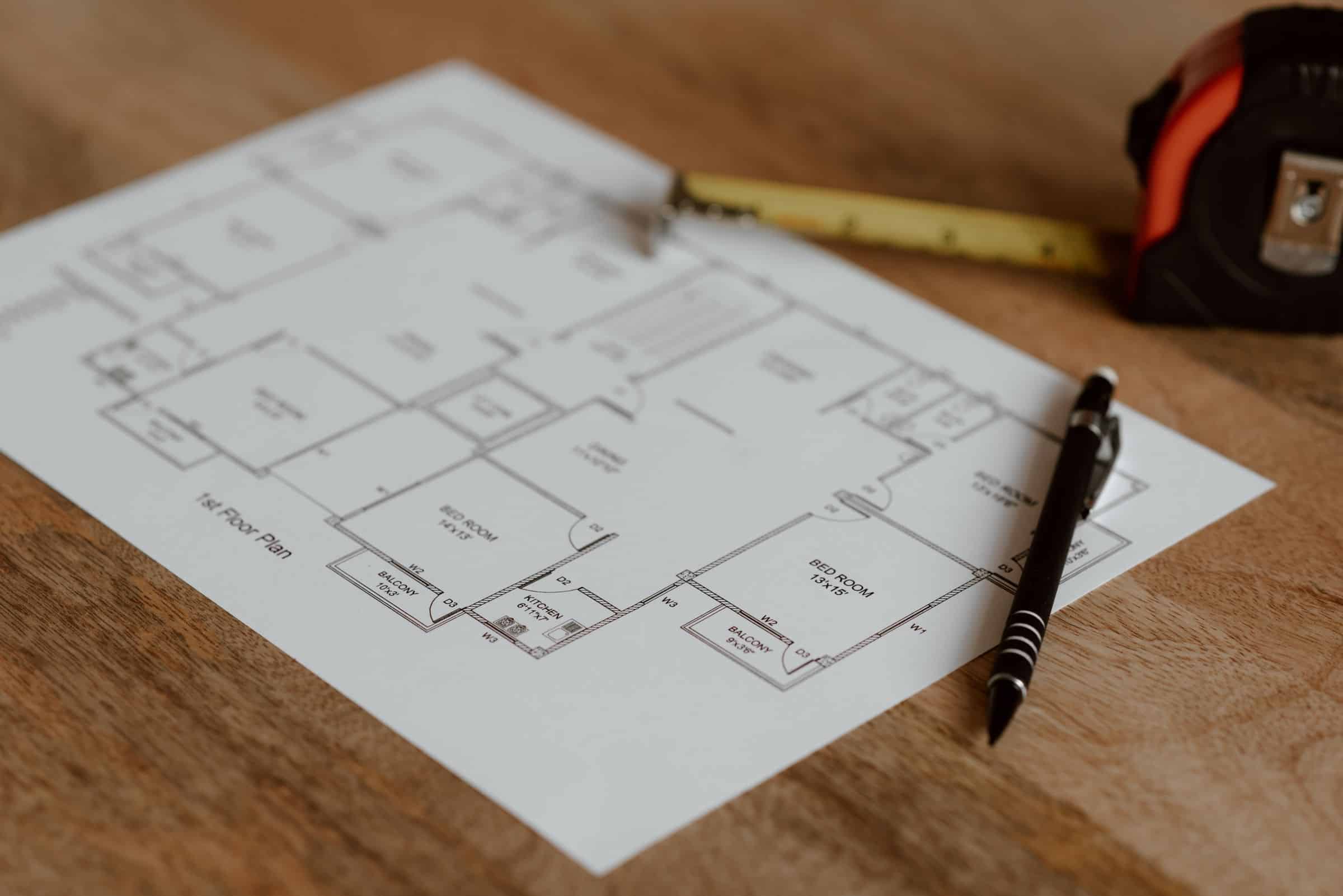
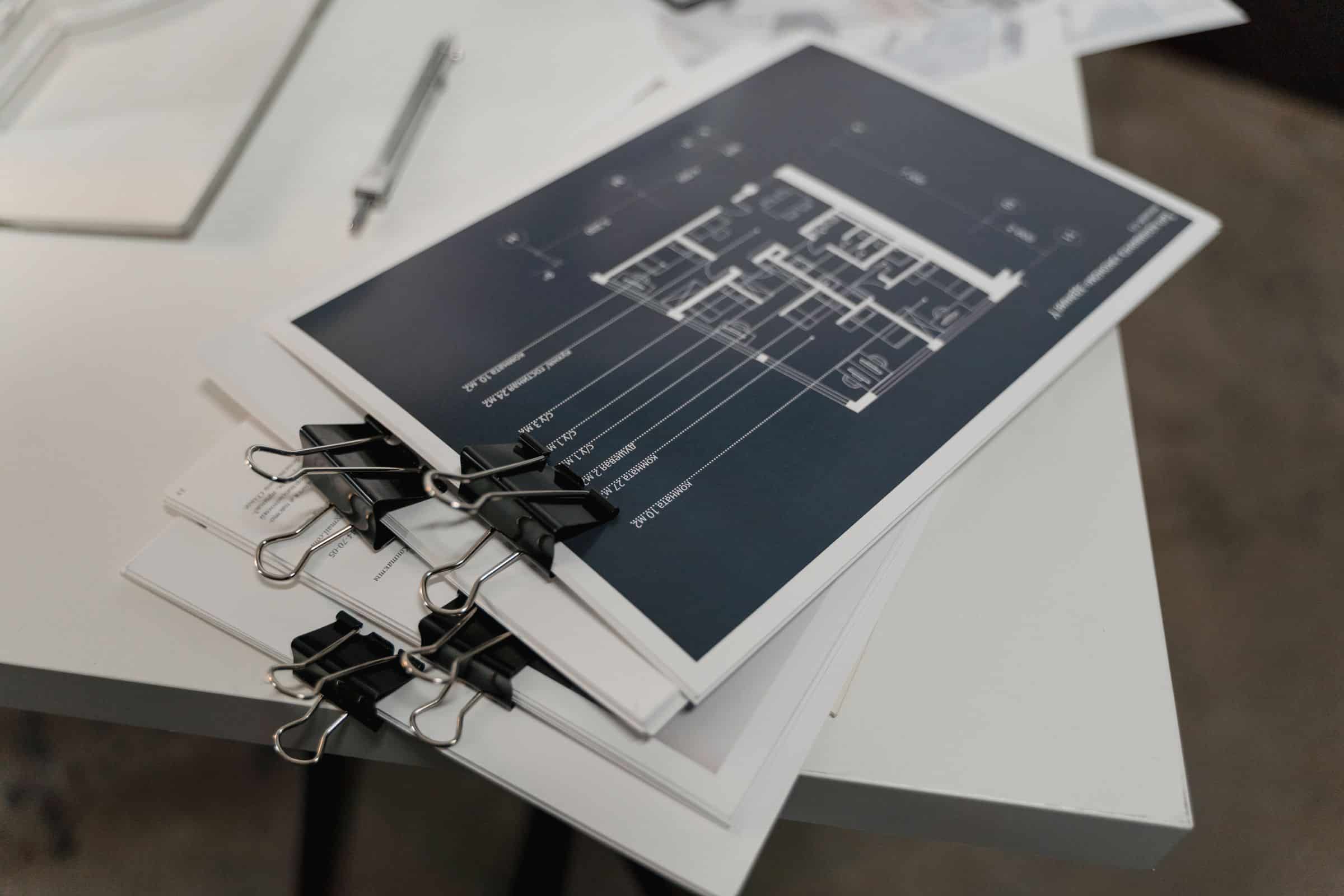
Sequencing means answering three questions for every part of a project: what must be finished before this can start, what must be decided before it can start, and what will it block if it runs late. Tasks that look independent on a list are often connected in reality — a finish cannot begin before a rough-in is complete, and a rough-in cannot be finalized before a selection is made.
Planning around these connections is what keeps a project from stalling in the middle. It is also what makes early decisions valuable: every selection made before construction starts is a dependency removed from the critical path.
Dependencies run through everything
There are three kinds of dependency worth understanding, even without a scheduling background. Physical dependencies are the obvious ones — you cannot finish a floor before it exists. Decision dependencies are the subtle ones — crews idle quietly when a choice that was needed last week arrives today. Approval dependencies are the formal ones — inspections and consents that open and close windows of time.
A project that accounts for all three is not necessarily faster, but it is calmer, and calm projects tend to cost what they were predicted to cost.
Order is not about speed. It is about not paying twice for the same step.
Site reality shapes the order of work
Every property imposes its own sequence. Access determines when materials can be delivered. Occupancy determines which areas can be worked. Existing conditions — a foundation, a mature tree, a shared wall — determine what must happen first to protect what already works. This is why two projects with identical scopes can have different sequences, and why sequencing deserves a look at the site, not just the plan.
Coordination is sequencing in motion
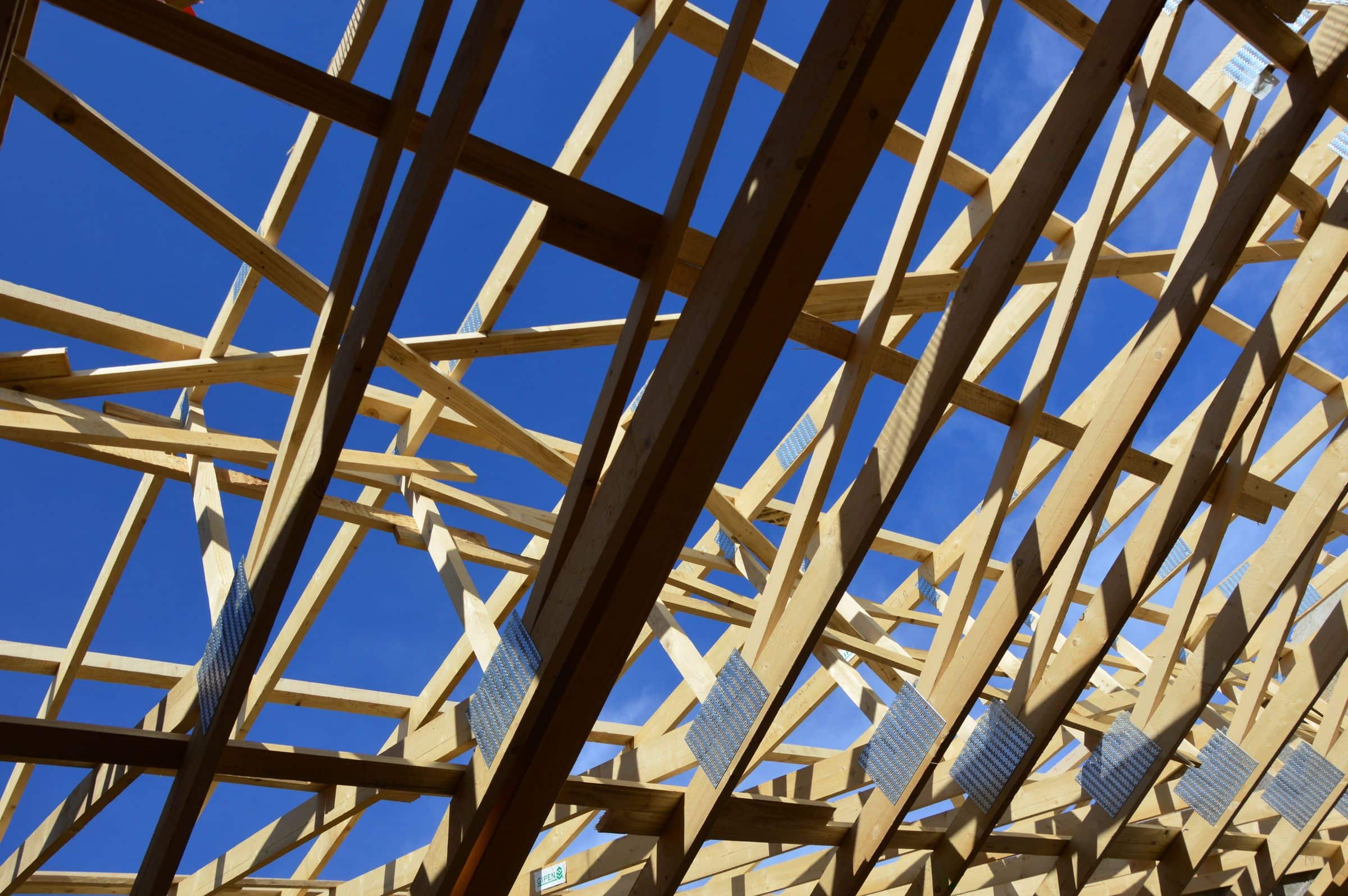
Once work begins, sequence becomes coordination: making sure each trade arrives when its space is ready, that materials land before the people who install them, and that decisions come back fast enough to keep the next step available. The quality of this coordination is visible to anyone watching the site. A productive project is not one where everyone arrives at once — it is one where everyone arrives at the right time.
What good sequencing protects
- Time — because steps do not wait on decisions that could have been made earlier.
- Quality — because work is not rushed to compensate for a late start.
- Budget — because surprises surface earlier, when responses are cheaper.
- Daily life — because the disruption of construction is planned, not improvised.
Sequencing decisions sit naturally alongside scope and expectations, which is why they form part of how we define a project before work begins. The other planning articles on this site explore the rest of the picture — and a clearer understanding of sequence is one of the best preparations for a first estimate conversation.
When you are ready to talk through a real project, the conversation almost always starts with the same question: what needs to happen first? It is a good question, and it is worth arriving with curiosity rather than anxiety.
Related to This Article
Walk us through your project and we will start with the order of work.