4 Legacy Construction LLC · September 17, 2026 · 3 min read
A renovation asks a home to change without losing what makes it worth keeping. That is a design question, a construction question and — before either of those — a decision question. The decisions come first, and they are best made while the house is still whole.
Begin with the honest version of the goal
Renovation goals hide in vague statements. “The kitchen doesn't work” can mean the layout is wrong, the storage is missing, the light is poor, or all three. Each of those has a different solution. Before planning anything, it is worth writing down what currently fails and what specifically would make it better. That description — honest, specific, in your own words — is the brief a renovation actually runs on.
Understand the constraints before the possibilities
Existing homes come with constraints that new construction does not: structural walls, buried services, ceilings that are lower than they look, rooms that were added in another era. Constraints are not obstacles to resent — they are the shape of the puzzle. Learning them early, with the help of someone who knows how buildings behave, prevents beautiful plans from meeting expensive realities.
The best renovation plans spend as much energy on what stays as on what changes.
Sort the decisions that cannot wait
A renovation involves hundreds of choices, but they are not all equal. A small number genuinely shape everything else — how far the work extends, whether plumbing moves, how open the plan becomes, what happens to original features. These are the decisions to make first and revisit least. The rest — finishes, fixtures, hardware — can follow the shape those big calls create, and are often easier to choose once the framework is set.
Plan for disruption like a resident, not a builder
However well-run a renovation is, it will interrupt daily life somewhere. The planning question is not how to avoid disruption but where to concentrate it. Will you stay in the home? Which spaces remain usable? How will dust barriers, deliveries and working hours interact with the way your household actually runs? Discussing these logistics before work begins turns disruption into an orderly phase rather than a daily negotiation.
Decide who decides
Renovations slow down most often at decision points: a tile question waits, a layout tweak waits, a color waits. The project does not care who makes the call — only that calls get made. Agreeing in advance who holds the decision on each category, and how fast answers will come, is one of the least glamorous and most effective preparations a household can make.
Prepare the practical file
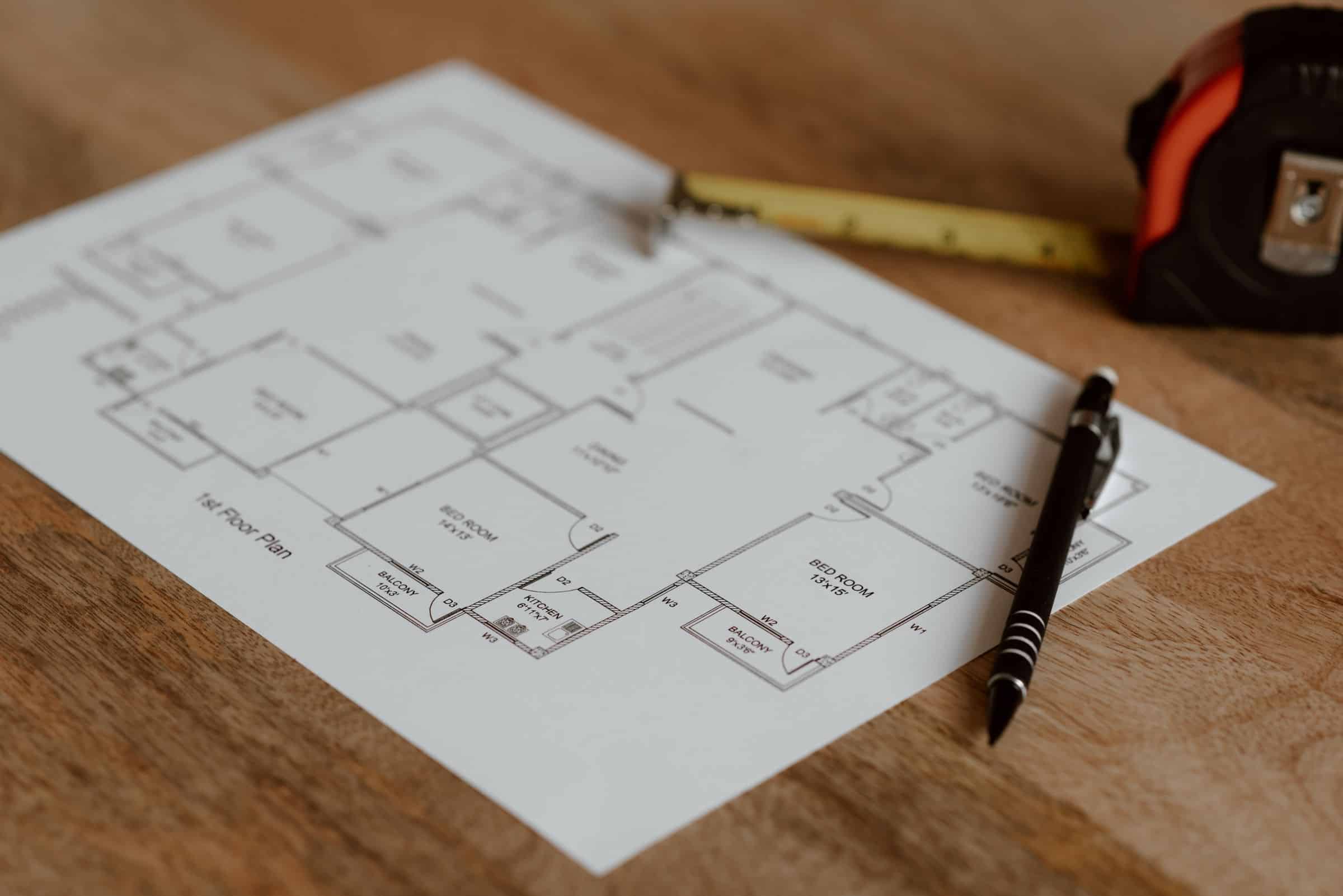
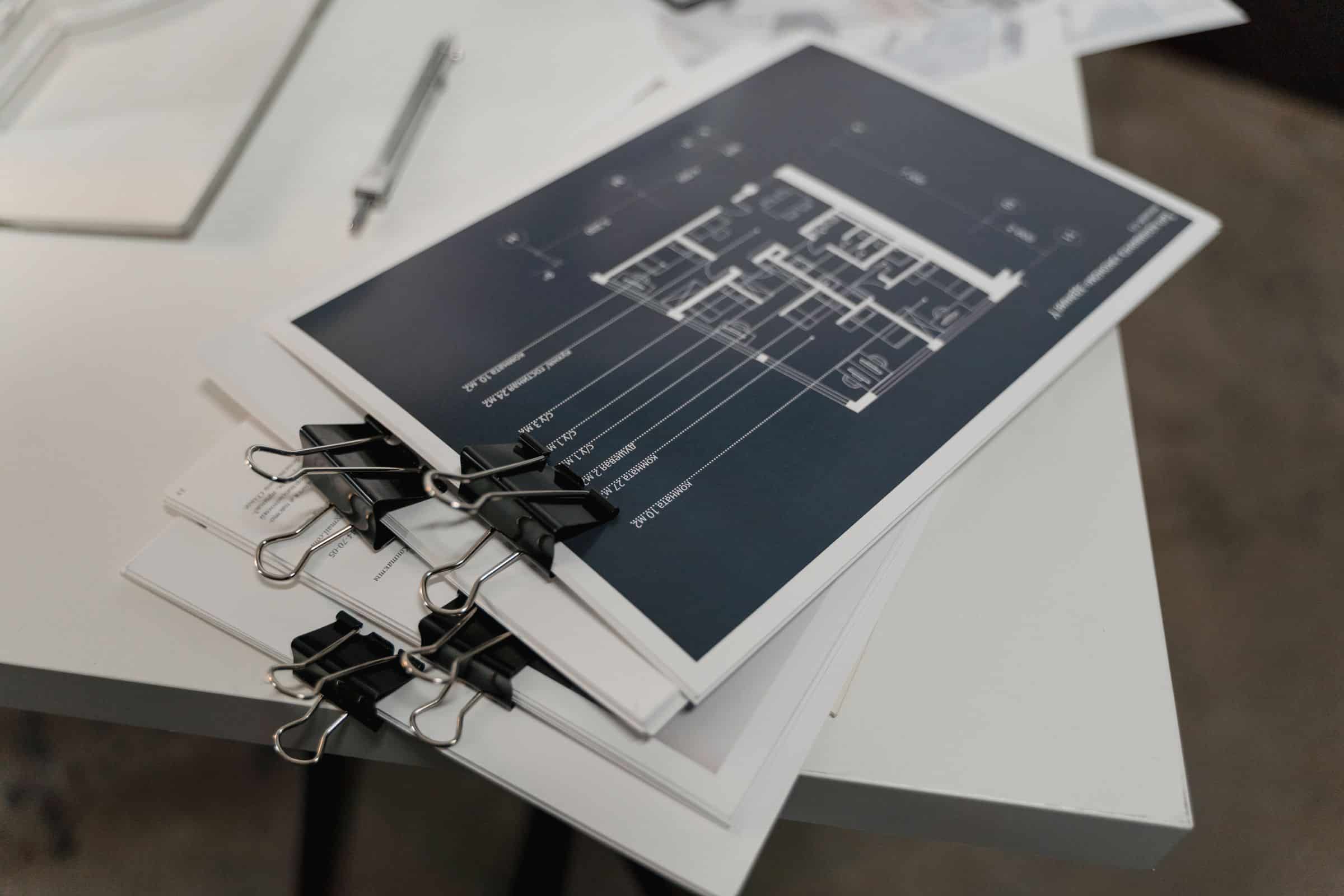
- Any drawings, surveys or records of previous work.
- Photos of the spaces as they are now, from multiple angles.
- Notes on what you want to keep — features, materials, proportions.
- A rough priority order, from must-have to hopeful.
This file does not need to be tidy; it needs to exist. Everything in it saves a conversation later. And if you want a sense of how a renovation moves once planning ends, our process page follows the journey from first conversation to final walkthrough — the same sequence applies to remodeling, with the preparation concentrated at the front. When you are ready to discuss a specific home, our home remodeling and renovations service is where that conversation begins.
A renovation planned this way is not slower. It is steadier — and steadier renovations are the ones owners describe as having gone well.
Related to This Article
Tell us about your home and what you are hoping to change.