
4 Legacy Construction LLC · September 13, 2026 · 3 min read
Ask an experienced commercial owner what derailed a difficult project and the answer is rarely a technical failure. More often it is drift — small ambiguities in scope, quiet gaps in communication — compounding until the project no longer matches what anyone thought they agreed to.
Ambiguity compounds like interest
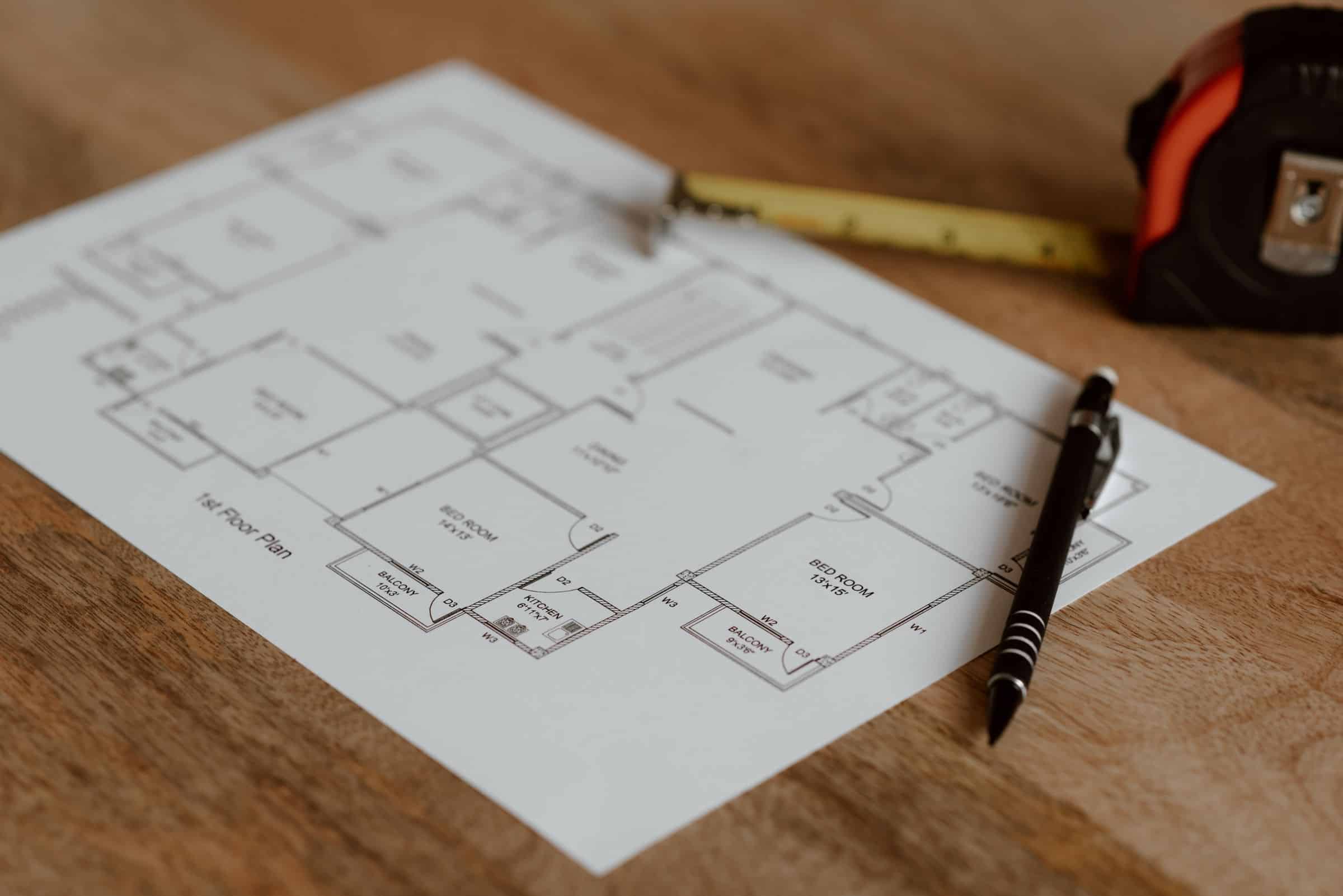
On residential projects, a small ambiguity usually costs a conversation. On commercial projects, it can cost a week and a supplier. Not because the stakes are inherently worse, but because more people, more systems and more money are attached to every undefined edge. A scope that was 95% clear on day one can become 70% clear in practice once different readers interpret the gaps differently. Clarity is not pedantry in this context — it is risk management.
Written understanding is the only shared understanding
Meetings are where understanding begins; documents are where it lives. A scope statement, a decision log, a written confirmation of a site discussion — these modest artifacts are what allow a project to continue being one project after a dozen conversations have touched it. The goal is not to document everything, but to make sure the load-bearing decisions exist in a form that does not depend on anyone's memory.
On a commercial project, the paperwork is not a brake on progress. It is what lets progress be trusted.
One accountable team beats several orbiting ones
Clear scope does more than define work — it defines who owns it. When responsibilities are explicit, questions have a destination and standards have a keeper. When they are vague, problems circulate politely between parties while the schedule absorbs the cost. Owners feel this difference directly: projects with a single accountable team require less chasing, fewer repeated explanations and fewer surprises at the end.
Communication needs a rhythm, not heroics
The healthiest commercial projects do not rely on anyone being brilliant under pressure. They rely on rhythm: updates that arrive on a predictable cadence, decisions that are requested with enough lead time to be made well, and a channel that both the site team and the owner's team know how to use. Rhythm is unglamorous and it is exactly what keeps a project from becoming a series of emergencies.
Change is normal — undocumented change is not
Every commercial project changes. Tenants adjust, systems reveal themselves, priorities sharpen. Healthy change has a shape: it is discussed, priced transparently, approved by the right person in writing, and reflected in the schedule before the work proceeds. When change happens verbally and informally, it still costs money — it just costs it invisibly, until a reconciliation reveals it all at once.
What owners can do from their side
- Keep approval authority clear and available — decisions are the fuel of a project.
- Route questions through the agreed channel instead of bypassing it.
- Flag concerns early, while they are still small and reversible.
- Expect written understanding, and give it.
None of this is complicated, and none of it is automatic. It works when it is chosen deliberately — which is why it belongs in the first conversation, not the middle. Our commercial construction service is organized around exactly this idea, and our process page shows how clarity is carried from scope through completion. When you are ready to hold your next project to that standard, we would be glad to hear about it.
Related to This Article
Bring us a commercial project and we will start with scope and sequence.