4 Legacy Construction LLC · September 10, 2026 · 2 min read
New houses begin as intentions. Existing houses begin as evidence. Before deciding what to change, it pays to understand what the house already does well — because that is usually where its character lives.
Read the house before you renovate it
An experienced eye walking through an older home notices things most of us feel without naming: where the light comes from, which materials have aged gracefully, which spaces people naturally gather in. Those are not accidents. Homes develop a working logic over decades, and renovations that respect that logic feel natural, while renovations that ignore it often fight the building.
Separate function from character
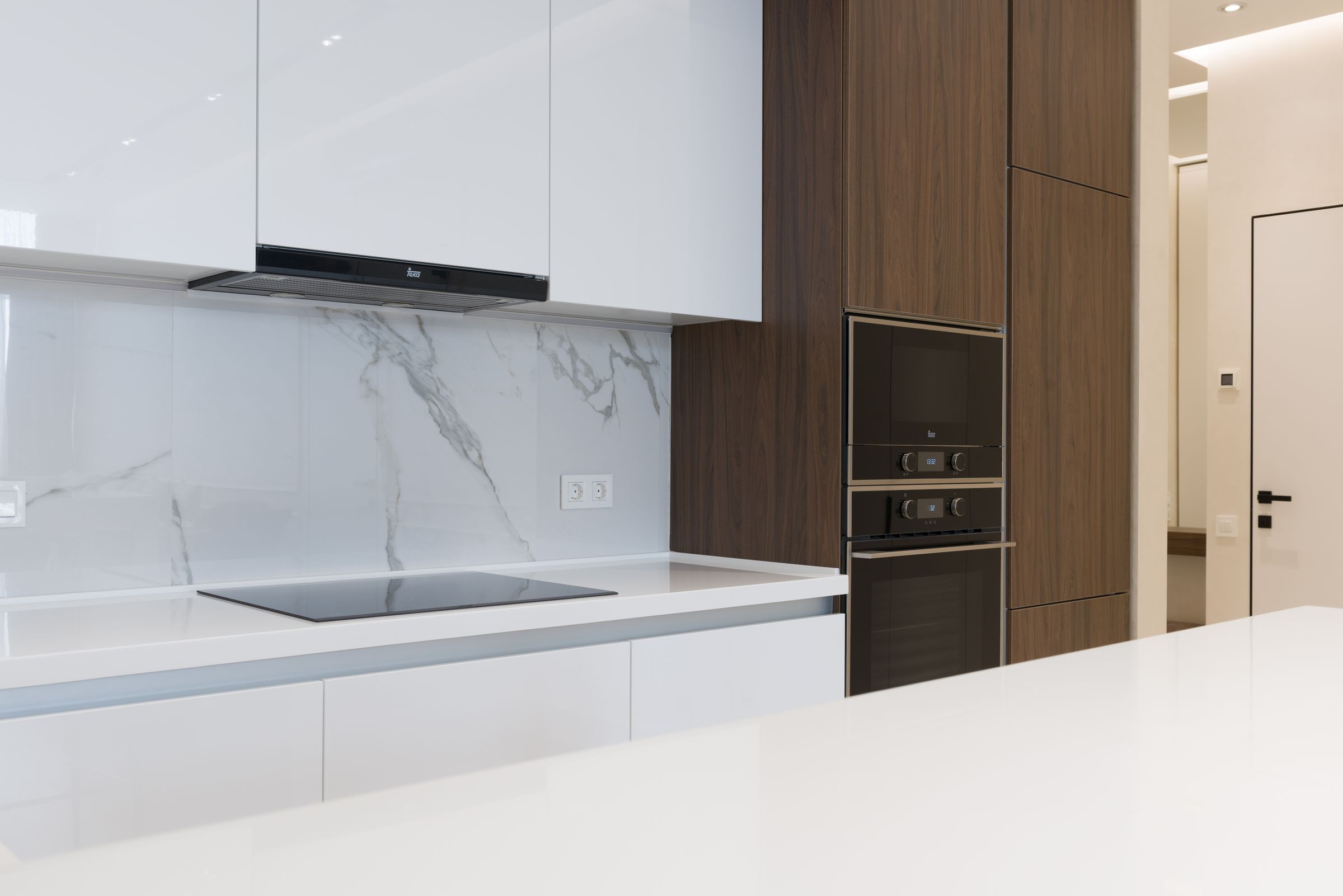
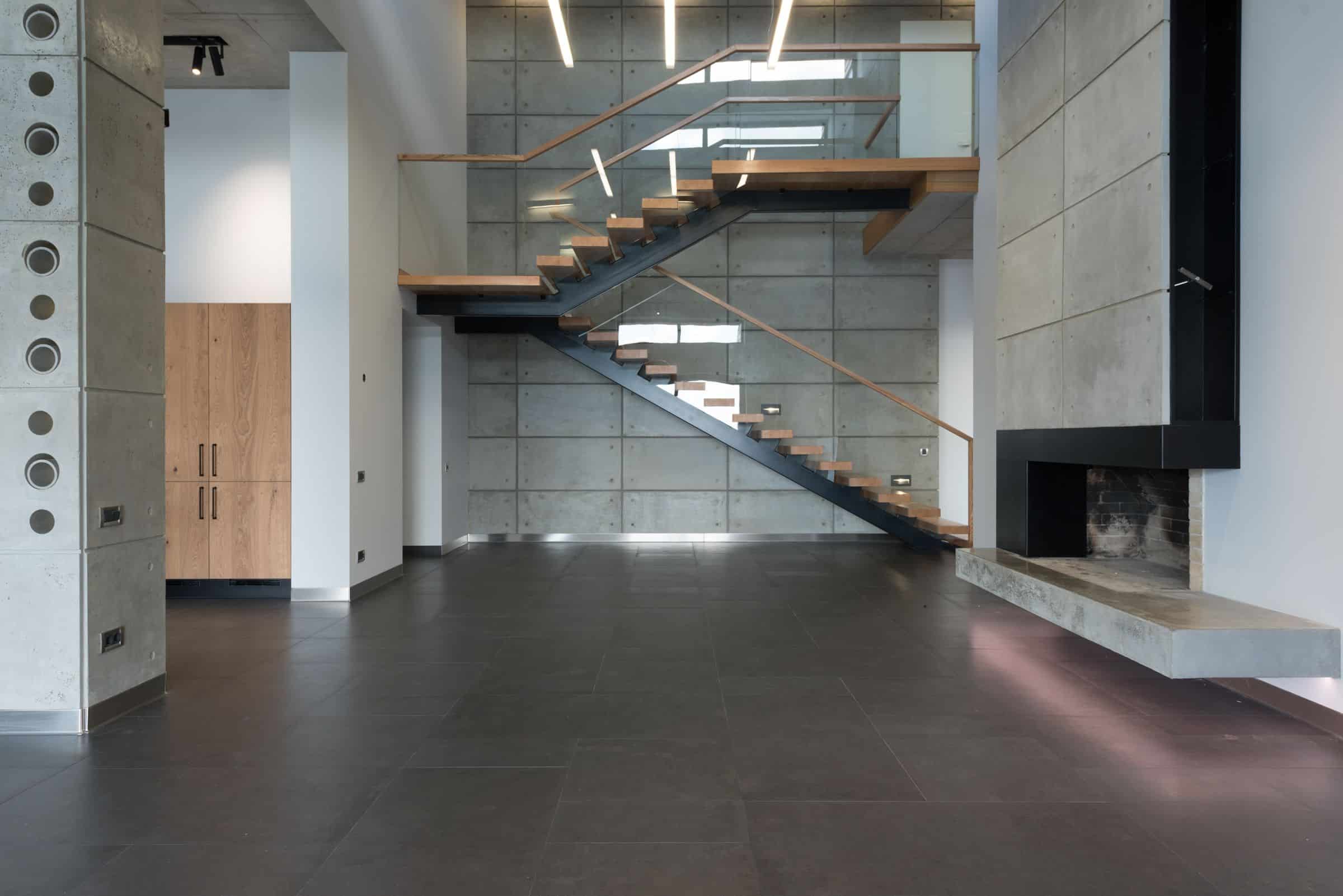
Most renovation dissatisfaction comes from conflating two different problems. Function is about how the house performs — storage, flow, light, efficiency. Character is about how it feels — proportions, materials, details, rhythm. Updating function rarely requires erasing character, but it does require telling them apart. A kitchen can gain modern utility while keeping its window proportions. A staircase can meet current needs while keeping its original rail and profile.
The question is rarely whether to change a home, but which parts of it deserve to be carried forward.
Materials carry memory
Original materials are a home's memory made visible — the patina of a wood floor, plaster with decades of character, trim profiles that would be difficult to match today. When materials are retained or repaired, they anchor a renovation to the home's own history. When they are replaced, the replacement should relate deliberately to what remains: similar tones, sympathetic proportions, honest rather than imitative details.
Doing less, better
There is a particular kind of renovation that touches less than expected and changes more than it seems to: concentrating effort where daily life actually happens, leaving sound parts undisturbed, and spending the saved effort on quality where it shows. This approach is not about frugality. It is about understanding that in an existing home, unnecessary change is itself a cost — in money, in character, and in the small frictions that come with fighting a building's grain.
Long-term usability as the final test
Renovations are judged twice: once when they are finished, and again after years of living. The second judgment is the honest one. Storage that quietly absorbs clutter, materials that wear in rather than out, and layouts that adapt as households evolve — these are the marks of a renovation that was planned past its reveal. When weighing any decision, the useful question is not which option looks best now, but which option will still make sense in a decade of daily use.
That long view is the same perspective behind our home remodeling and renovations service, where existing homes are treated as buildings with history rather than blank sites. If you would like to talk through what your home is doing well and what it could do better, that conversation can start any time — and the planning articles on this site are a good place to prepare for it.
Related to This Article
Every renovation starts with understanding what the home already does well.