4 Legacy Construction LLC · August 27, 2026 · 2 min read
Some homes impress at a distance and disappoint up close. Others feel quietly right from the street and satisfying in every corner. The difference is rarely budget. It is coherence — a home that was thought about as one thing rather than assembled from many.
Form is the first conversation
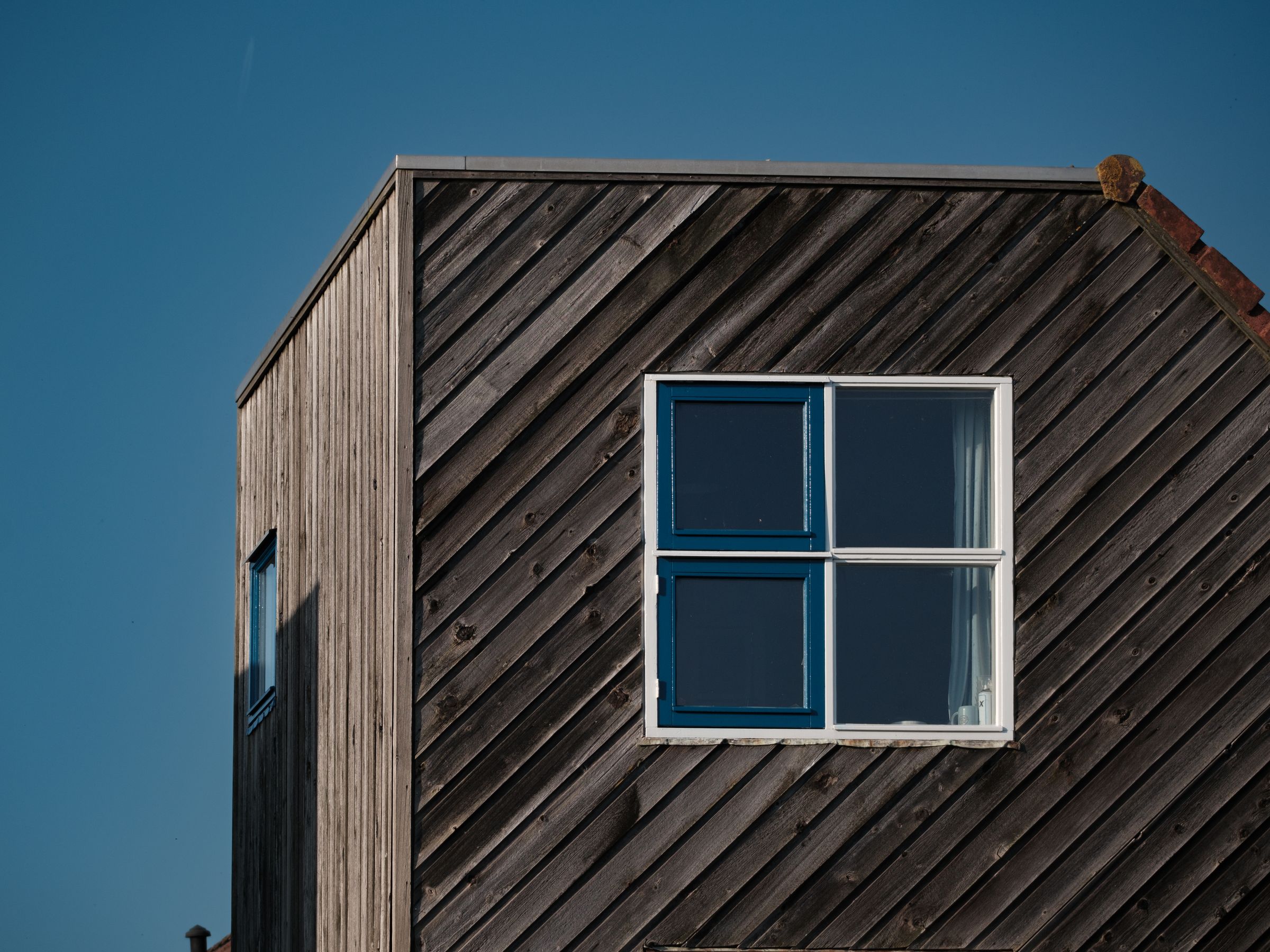
Before materials, before colors, before details, a home has a form: its mass, its roofline, its relationship to the ground and the sky. Form is what a building says when it is seen from far away, and it is decided with the site, not applied to it. A clear form — even a simple one — sets up everything that follows, and gives the rest of the project something to agree with.
Materials are relationships, not selections
It is a common mistake to choose finishes one at a time — the siding, then the roof, then the windows, then the interior floor — and hope they add up. They do not add up; they interact. Materials meet each other at every corner and edge, and what people read as quality is often simply how well those meetings were considered. When materials are chosen as a family — warm with cool, textured with smooth, honest with refined — the home gains a coherence that no individual selection could produce alone.
You experience a house in two scales: the arrival and the handrail. Both are the same design decision.
Details are where the design proves itself
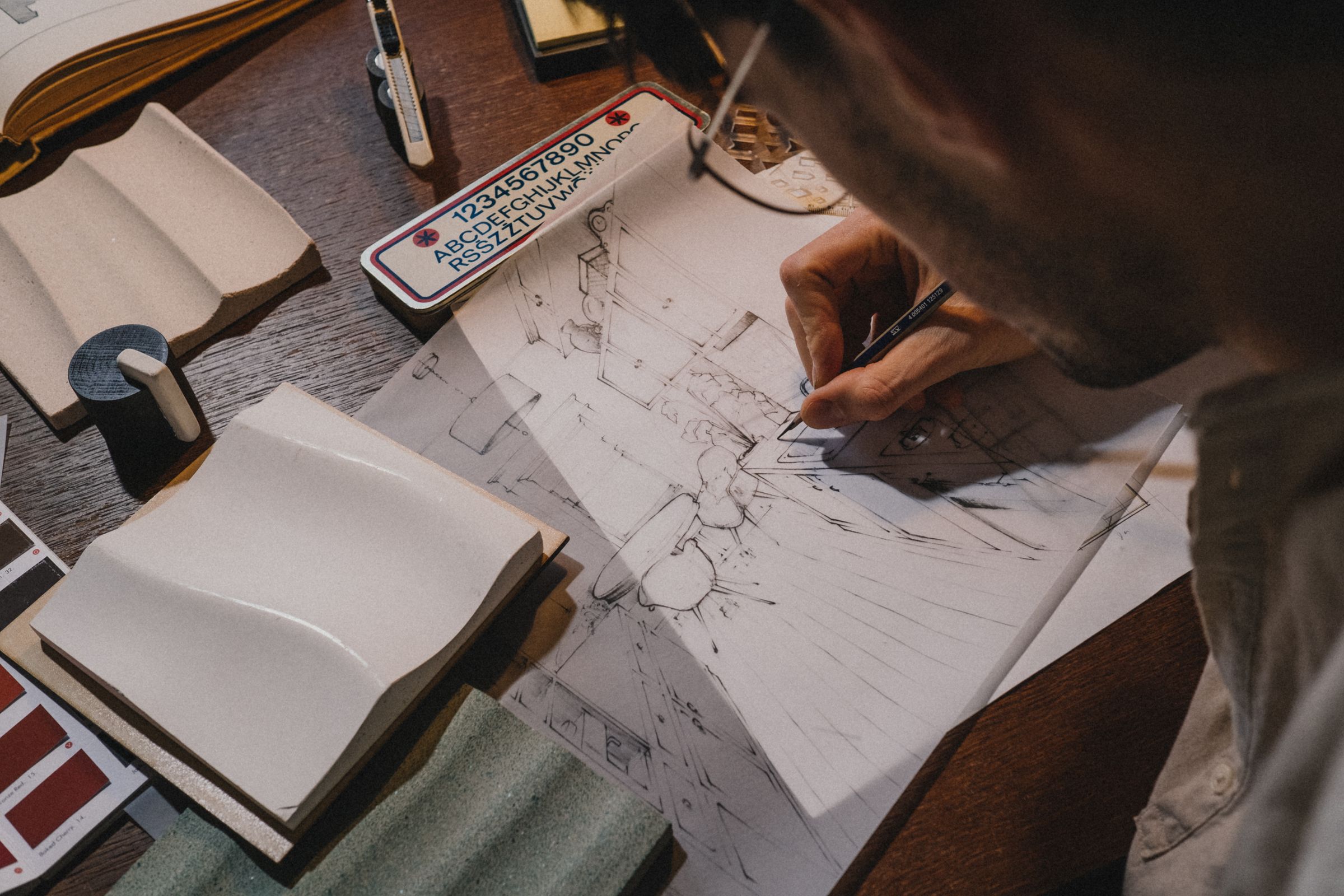
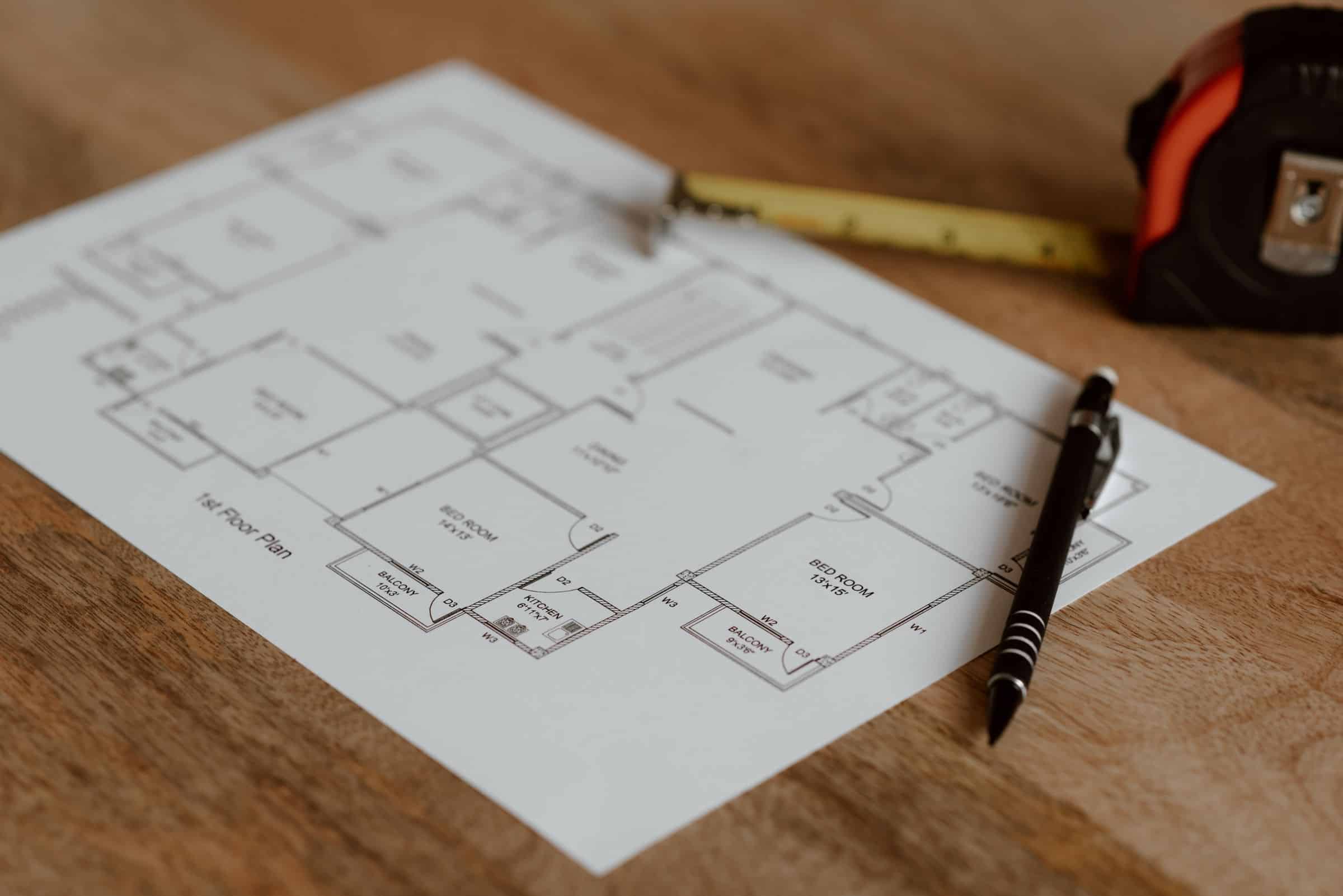
A plan can look perfect and still produce awkward details: a light switch stranded mid-wall, a trim that collides with a cabinet, a transition between two floors that nobody owned. Details are not decoration added at the end — they are the resolving power of the design, and they deserve the same care as the overall form. A small number of details, resolved with confidence, will outperform a large number applied decoratively.
Restraint keeps the whole visible
When a home tries to say everything, it says less. Restraint — in the number of materials, the number of gestures, the number of details — keeps attention where it was meant to land. This is not austerity. A restrained palette and a calm form give the genuinely special moments of a home room to register, whether that is a specific view, a stair, or the way light arrives in one room at one hour of the day.
Thinking in one line
Drawing a straight line from the site to the doorframe takes thinking at every scale, and it is the shared work of everyone planning a home — the design team, the builder, and the owners whose lives will finish the thought. Our custom home construction service exists for that stage of the journey: carrying a single idea from plan to built work without letting it drift. Our process page shows how that carries through construction — and the related articles here explore the decision that comes before form: the plan itself.
Homes built this way are not the loudest on the street. They tend to be the ones people photograph without knowing why.
Related to This Article
From first sketch to final detail — bring your plan and we will help carry the line.