4 Legacy Construction LLC · September 3, 2026 · 2 min read
A custom home is one of the few things a person can own that is made exactly for them. That freedom is also the challenge: with fewer defaults to lean on, the decisions carry more weight — and the earliest ones carry the most.
Site and orientation come first
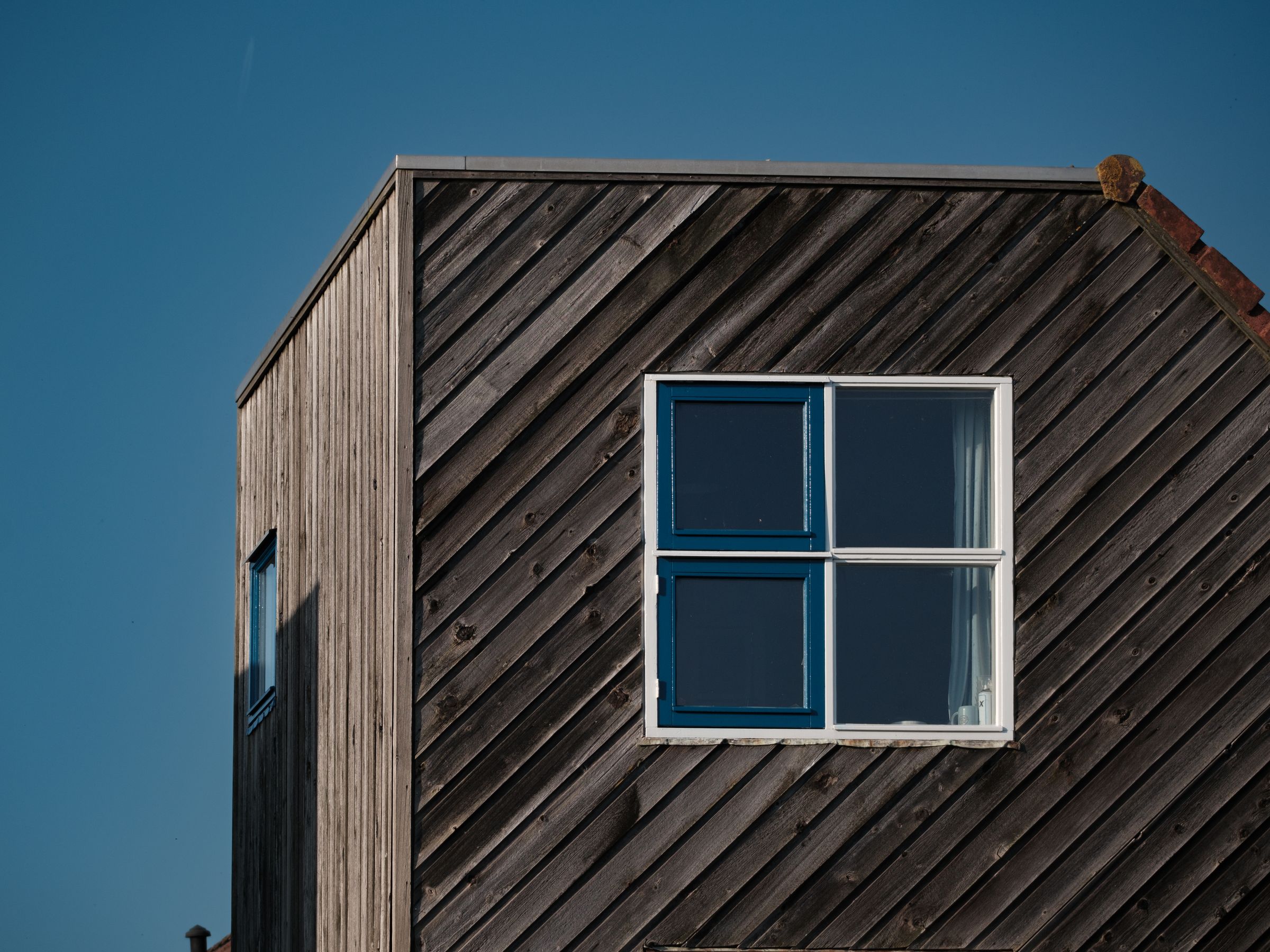
How a home sits on its land determines light, privacy, views and how the building behaves through the seasons. Where does morning light land? Which rooms need privacy from the street or a neighbor? How should the home greet people who arrive? These decisions shape everything downstream — floor plans included — and they are among the few that are genuinely expensive to reverse once built.
Layout should follow life, not fashion
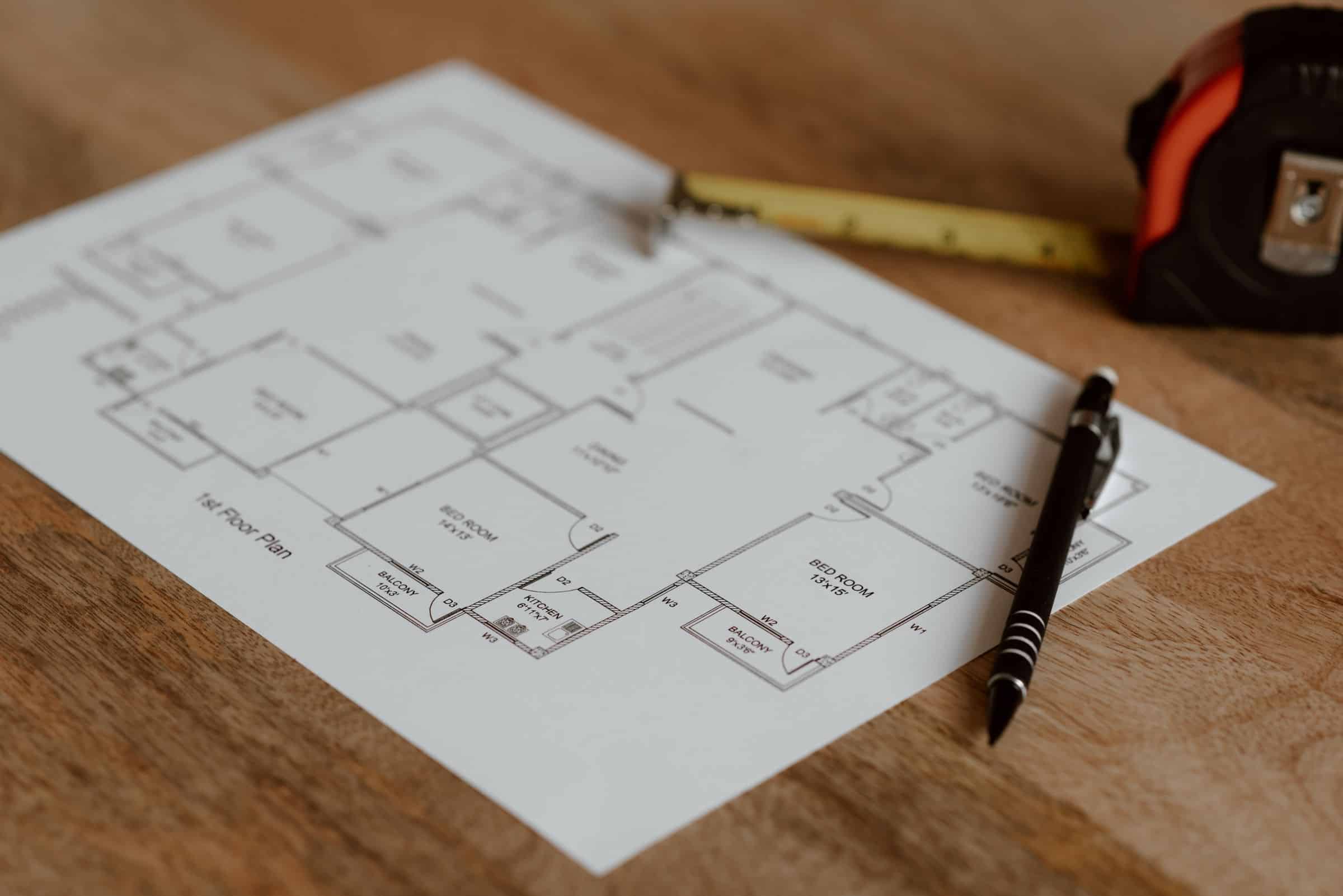
Open plans, quiet rooms, formal dining, mud halls, home offices — every layout pattern serves someone well and someone poorly. The most valuable planning question is not what looks impressive in photographs, but what an ordinary Tuesday evening will actually look like in the home: who is where, what is easy, what is annoying. A custom home earns its name when the layout answers those questions specifically rather than generically.
Design decisions age. Lifestyle decisions mostly do not. Favor the ones that will still be true in ten years.
Material decisions are commitments
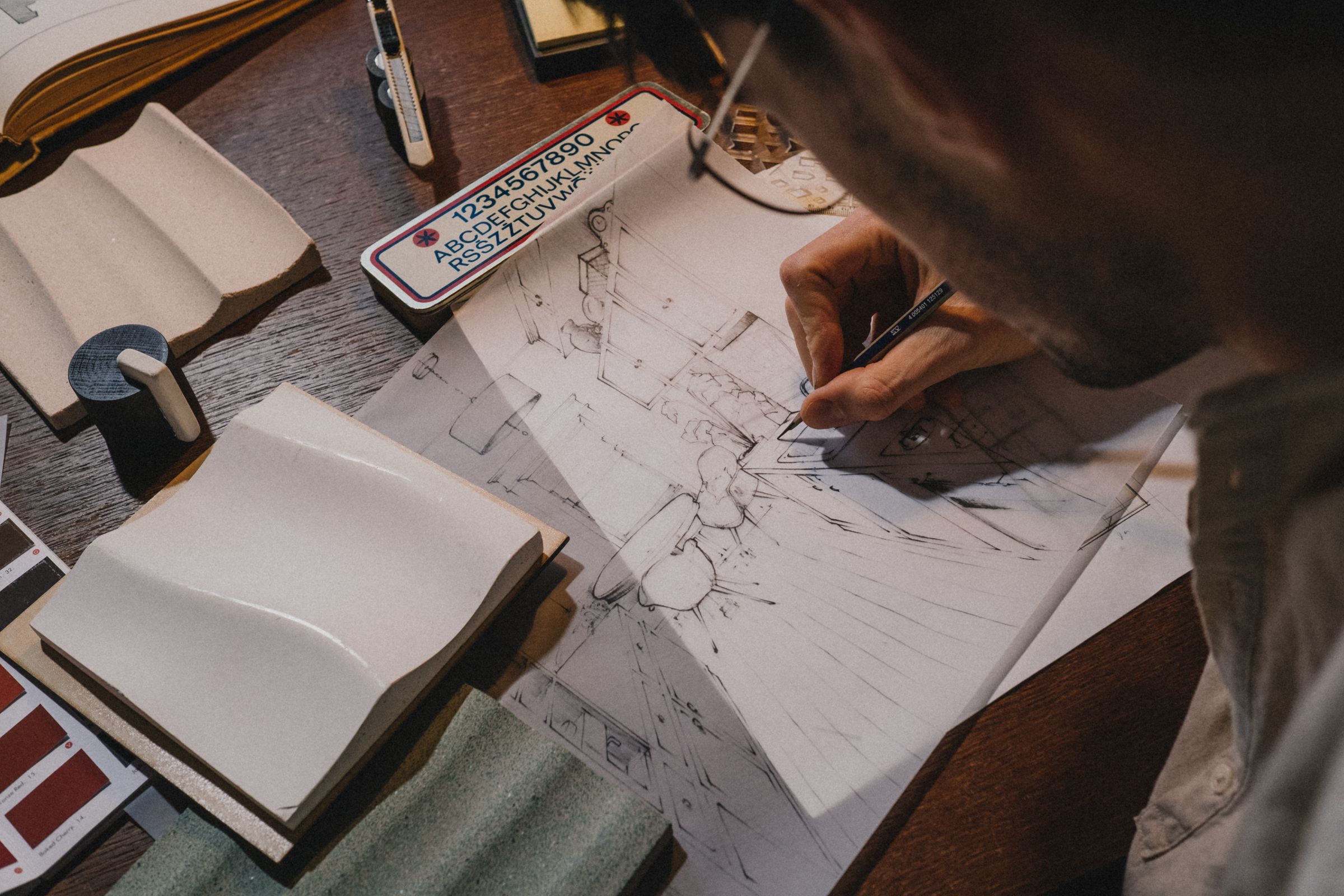
In most purchases, materials are a preference. In a custom home, they are a commitment with a maintenance story attached. Roofing, cladding, flooring, trim and hardware each have a lifespan, a care routine and a way of aging. Choosing them for how they look on handover day is only half the decision. The other half — how they will look and behave after a decade of weather, use and cleaning — is the half that determines whether the home feels luxurious or burdensome over time.
Budget is a design tool, not an afterthought
A boundary set early produces better architecture than a boundary discovered late. A real budget forces prioritization: where the investment will genuinely be felt and seen, and where it will not. Homes designed against an honest number are calmer to build and easier to finish, because the largest questions are answered while they are still questions.
The order of decisions protects the whole
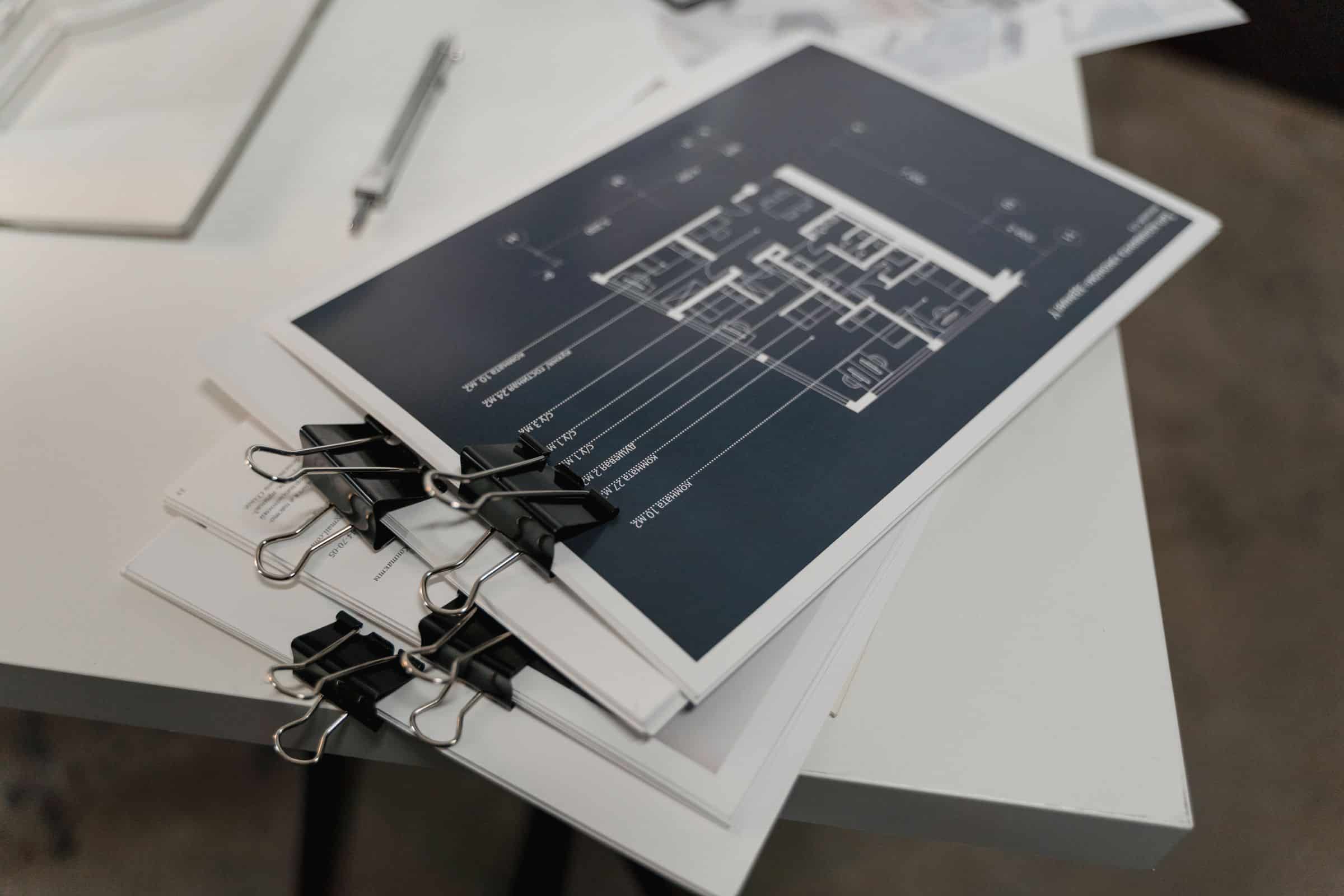
There is a sequence of decisions that works, and it generally runs from the outside in: site and orientation, then overall form, then room relationships, then systems, then materials, then details. Moving through that sequence deliberately matters because each layer constrains the next — and decisions made out of order tend to be revised at cost. A disciplined planning process is, in practice, an ordered one.
If you are working with a designer or architect, this order is the shared map for your conversations with them. If you are earlier in the journey, our process page shows how the same discipline carries through construction itself — and when your plans are ready for a builder's eye, our custom home construction service is where the conversation continues.
None of this removes the joy of a custom home. It protects it. Decisions made deliberately at the start are precisely what let the finished home feel effortless later.
Related to This Article
When your ideas are ready — or even half-ready — we are glad to talk them through.