4 Legacy Construction LLC · August 30, 2026 · 3 min read
Exterior materials are chosen twice: once at a desk, for how they will look new, and again by time, for how they will look after years of sun, rain and wind. The second choosing is the one that lasts.
Every material arrives with a maintenance story
No exterior material is maintenance-free — only differently maintained. Wood asks for periodic refinishing. Masonry asks for occasional attention to its joints. Metals patina, coatings weather, sealants age. The practical question is not which material demands nothing, but whose maintenance story suits the people who will live with it. For some owners, an annual touch-up ritual is a pleasure; for others, it is a burden that quietly postpones itself. Choosing honestly between those two temperaments prevents more disappointment than any color selection ever will.
Design for decade ten, not delivery day
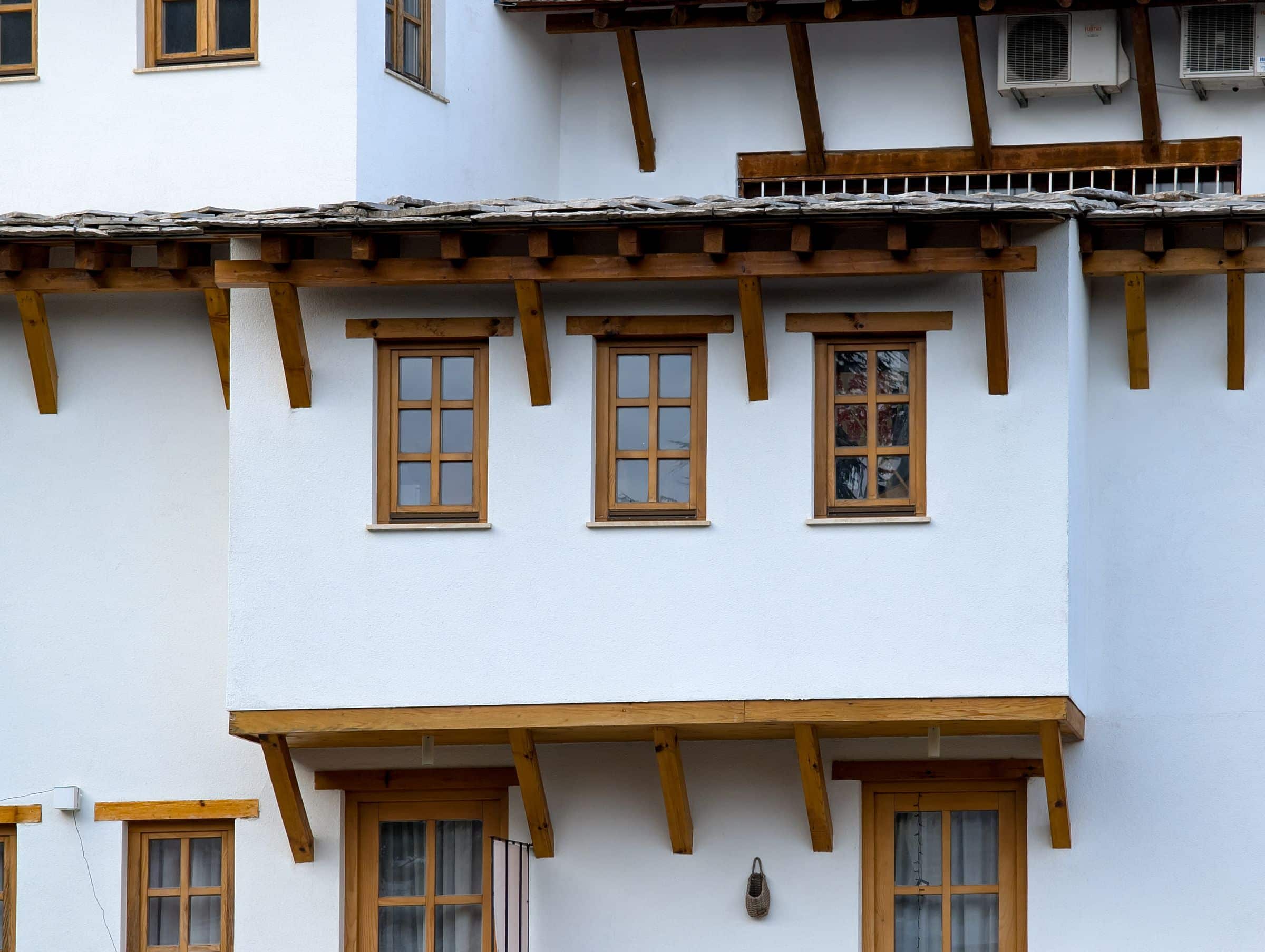
New materials look their best the day they are installed. What separates premium exteriors is how they look in year ten — whether rain has left streaks, whether sun has faded one plane more than another, whether the building has developed a character or simply a history of small problems. Thinking in terms of aging, rather than installation, changes real decisions: darker or lighter, textured or smooth, matte or reflective all age in different ways.
A building's appearance is not a state. It is a process — and the material palette is a decision about how that process unfolds.
Material honesty reads better than imitation
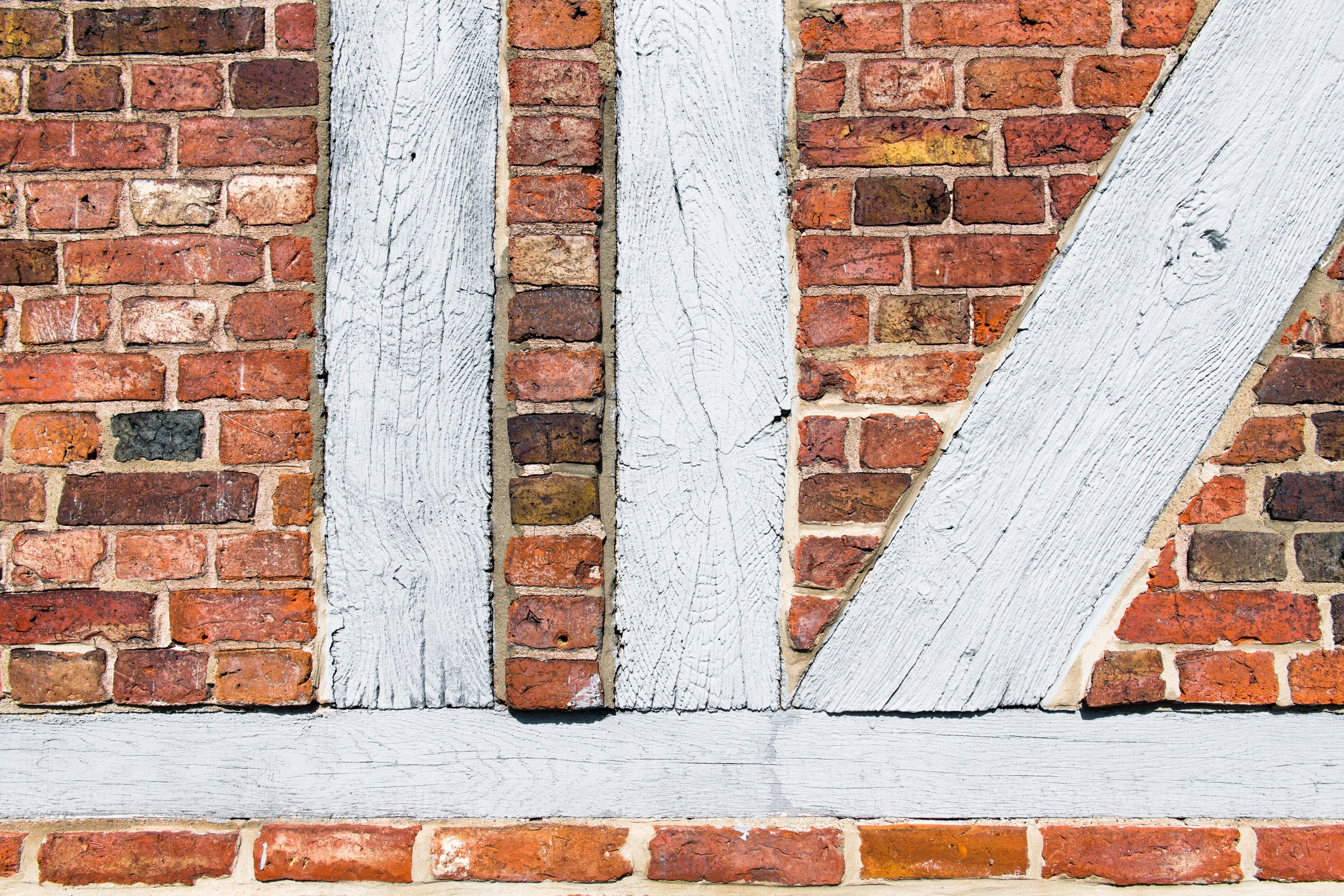
Materials that pretend to be something else rarely survive scrutiny. Imitation stone that reveals its seams, paneling printed to resemble wood, substitute products that promise an original's look without its depth. Honest materials — used confidently at their real scale and proportion — carry more authority and age more gracefully, because they have nothing to hide. This is not a rule about affordability; quality fabrications of any material read best when they are allowed to be themselves.
Climate shapes the sensible palette
The same facade that thrives in one climate can struggle in another. Wet climates reward materials that shed and dry well. Intense sun belongs to materials that handle ultraviolet exposure gracefully. Humid air changes how certain finishes cure and how quickly a surface patinas. This is general wisdom rather than a rulebook — the practical point is that exterior selection should start from the conditions the building actually faces, not from a photograph taken somewhere with different weather.
Composition outweighs individual choices
A facade is experienced as a whole: the weight of its volumes, the rhythm of its openings, the relationship between textures and tones. Two projects can use the same materials and arrive at very different results depending on composition. Restraint usually wins — a small palette, used with intent, relates better to the architecture than a catalog of distinct finishes. When materials are chosen as relationships rather than selections, the building reads as designed rather than decorated.
Bringing performance and appearance into one decision is the core of how we approach exterior work. Our exterior construction and improvements service treats the envelope as a system, and the planning notes on this site cover the priorities that come before materials. If the outside of your property is on your mind, a walkthrough is where the useful answers begin.
Exterior palettes that last are rarely the boldest. They are the ones that were chosen for a decade, not a listing photograph.
Related to This Article
Choosing exterior materials? We can help weigh performance against appearance.