4 Legacy Construction LLC · September 6, 2026 · 2 min read
Exterior projects begin with a familiar temptation: picking finishes. A new color, a different texture, a greener landscape. Finishes matter — but they answer a question that should come first. What is this project actually for?
Start by reading the existing exterior
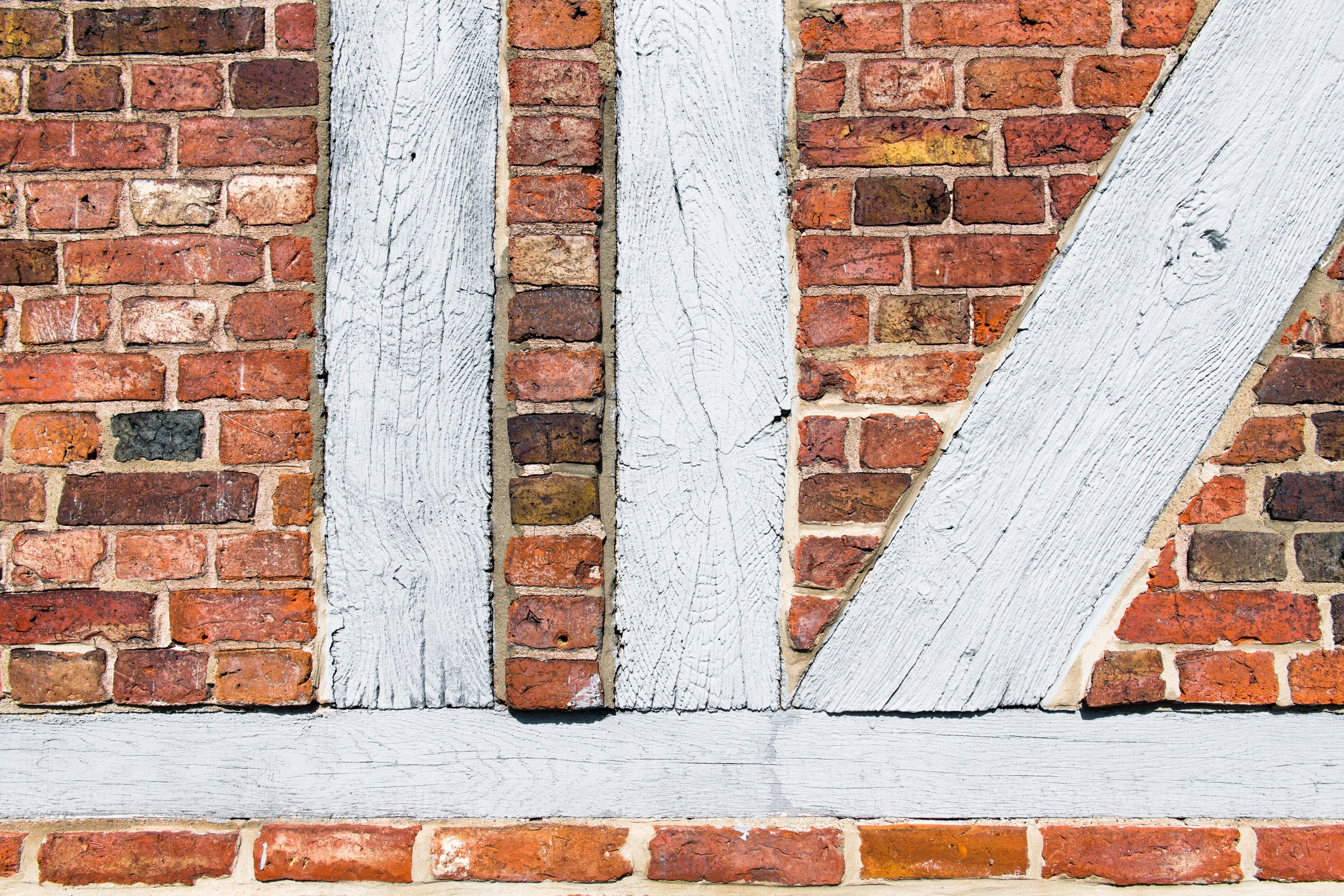
Before anything changes, the exterior deserves a careful audit. Where has weather left its signature? Which surfaces are sound and which are merely painted over problems? Where does water go when it rains, and where does it linger? An exterior is a system, and systems fail at their weakest junction, not their average point. Reading the existing condition honestly is what separates an improvement from a cover-up.
Protection, performance, presence — in that order
Most exterior projects serve three purposes, and they have a natural hierarchy. Protection comes first: keeping weather out and structure sound. Performance comes second: how the exterior behaves through the seasons — how it sheds water, handles sun, holds warmth or cool. Presence comes third: how the building greets the street and the people who live with it every day. Projects that invert this order — starting with presence — often end up paying for protection later, at a worse moment.
Every exterior decision is a promise about the next twenty years of weather. Spend the effort where the weather actually lands.
The daily view deserves a vote
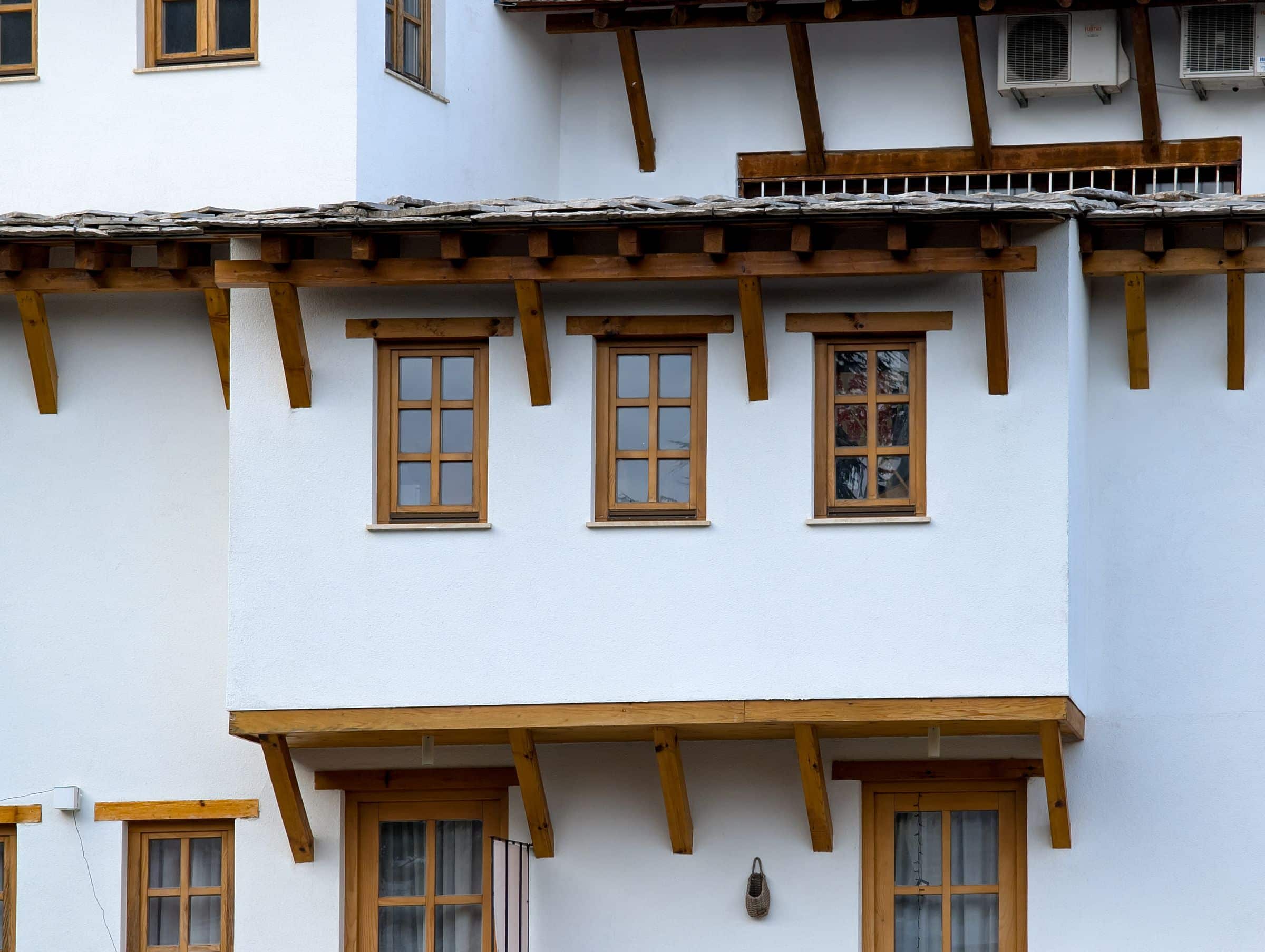
There is one appearance criterion that outranks curb appeal: what you see daily. The wall by the morning coffee, the entry you carry groceries through, the window you look out of while working — these private views shape your experience of home far more than the street-facing elevation. When prioritizing visible investments, owners do well to rank the surfaces they actually live with first.
Put exterior projects in a sensible sequence
Exterior work has natural dependencies. Drainage and surfaces usually precede planting, because plants and patios coexist badly with later excavation. Structural repairs precede cosmetic ones, since finishes laid over unresolved movement tend to telegraph it. And anything that requires access — scaffolding, equipment, deliveries — benefits from being grouped, so the lawn, the driveway and the household are disturbed once rather than repeatedly.
Finishes are the last question, not the first
Once purpose, condition and sequence are clear, finishes become easier and more satisfying to choose. The palette has constraints to work against, the surfaces have roles to play, and the decisions are grounded in the building as it actually is. That is the difference between a finish chosen because it photographs well and one chosen because it belongs to the project.
Our exterior construction and improvements service begins with exactly this kind of read: condition, purpose and priorities before materials. If your project touches the envelope, the surfaces or the grounds, a good next step is simply walking the property together and describing what you see — the planning articles on this site can help you prepare that conversation.
Exteriors age in public. The projects that age best are the ones that were honest about what needed protecting before they were ambitious about what needed showing.
Related to This Article
Walk us through your property — we will start with condition and purpose.